


From the CEO
I sat on the board evaluating the position. My eyes turned towards the rook sacrifice that was available. Rxf6!! Wow! What a move this is! Sweat started to emerge out of my forehead, my heart rate started to rise and my breathing got faster. I could no longer think straight. Ever since I was a little kid sacrificing something in chess was quite difficult for me. This was a big opportunity. I was facing a grandmaster, winning the game would give me a great finish and huge prize money. With so much at stake, I didn’t feel confident enough. I stepped away from the sacrifice and decided to play Rf2 and doubled my rooks. But the moment was lost. The game ended in a draw and I had lost my chance. Imagine my sadness when I checked with the engine after the game and Rxf6!! was the best move.
What is a sacrifice in chess? It’s one side giving up higher value material for lower value material. Let’s say you give up a rook, whose value in chess is 5 points, for a knight, whose value is 3 points - people call it exchange sacrifice. While I found it extremely hard to sacrifice material I saw some players around me sacrificing material without any real difficulties! :) That made me think - what could be the reason behind it?
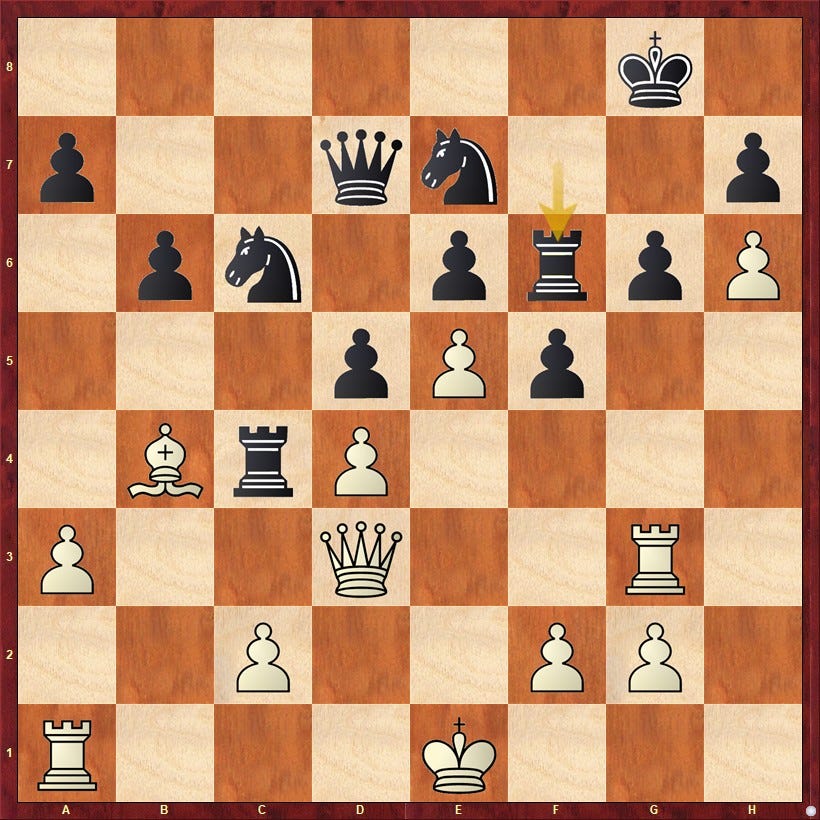
Example of a famous Rxf6 exchange sacrifice with the Black pieces - Tigran Petrosian played this move to defeat Vlastimil Hort in 1970 European Team Championships!
I went back to the time I learnt chess. When I was just 10 years old, someone told me that a rook is worth 5 points, a knight is worth 3 and a queen is worth 9. But is it really true? All the experienced players in chess are aware that these are relative values. They are good as guides for beginners but as you become stronger, the value of a piece depends on many factors. A knight that is centralized might well be more valuable than a rook that doesn’t have open files. Or two pieces (bishop and knight) which are coordinating beautifully could outpower a queen!
If I could correct one thing about the way I learnt chess it would be - learn the rules of chess and then solve a lot of mate in 1s. This would mean that even before I understood the value of pieces, I would have understood the art of checkmate in chess and the way in which the value of pieces would be in my head would be different than what it is now! :) This is a more efficient way to teach a concept and I am sure there are hundreds of different techniques which can be implemented to this end.
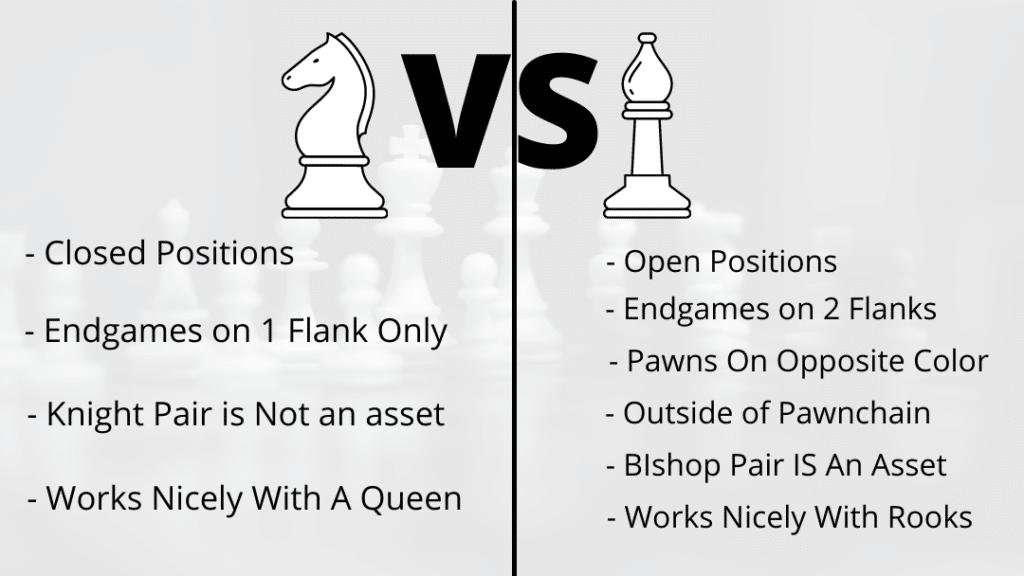
GM Noel Studer created this nice graphic on his Website - they say Bishops and Knights are both worth 3 points, but their strengths can vary vastly in different positions!
However, if there is one thing that could be very important for any student of chess to constantly do is reassess what they think they already know. Because not all of us can learn chess in a perfect way, not all of us would be lucky to get a great trainer from the start. But if you constantly question your beliefs and are ready to unlearn and relearn, it is unlikely that you would get stuck in one place for a long time.
And perhaps it is true also about life! Everything that you learn at some point, may also become redundant. Certain values and principles that you held dear while growing up would no longer have much meaning or practical significance as you grow up. By constantly questioning your beliefs and values you might be able to always find the most efficient way for yourself to function in life as well.
As for me, I am able to sacrifice much more freely in chess whenever I play. It doesn’t matter so much anymore because I no longer play chess professionally. If I could have paid more attention to this when I was playing actively 10 years ago, it would have been wonderful. Use this newsletter to take a paper and pen and note down all the values, beliefs and principles that you hold closely in chess and in life. See if any of them are holding you back or are stopping you from exploring the beauty and magnificence of life and chess in its full glory! :) And if for any of them the answer is yes, then have the courage to unlearn and relearn something new! :) I wish you the best. - Sagar Shah
PRODUCT OF THE WEEK
REASSESS YOUR CHESS WITH SILMAN!
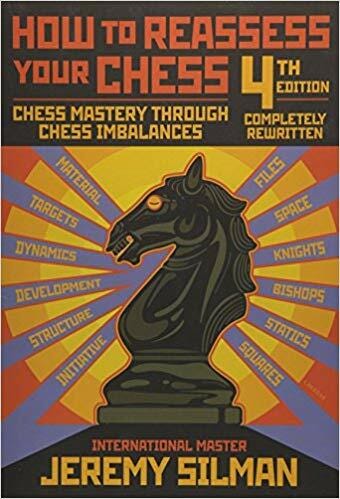
How to Reassess Your Chess has long been considered a modern classic. Now, this fourth and final edition – completely rewritten and featuring all new examples – takes Silman’s groundbreaking concept of imbalances to a whole new level. Designed for players in the 1400 to 2100 rating range and for teachers looking for a ready-made chess curriculum, the author shares a mind-expanding journey that takes the reader through imbalance-basics, ensures that every detail of all the imbalances are mastered, and leaves the player/lover of chess with something he always wanted but never believed he could achieve: a master-level positional foundation.
Hundreds of games brought to life by instruction-rich prose, and stories that offer humor while highlighting various lessons, vividly illustrate all the book’s topics in a manner that’s both personal and fun. If the positional masterpieces of the chess legends have always been a mystery to you, then How to Reassess Your Chess, 4th edition will prove to be a life-changing experience.
Today, we have a very special offer on the late Great Jeremy Silman’s How to Reassess Your Chess 4th Edition: Chess Mastery Through Imbalances by Jeremy Silman. Use the Coupon code “RE10SIL” to get a 10% discount - the offer is valid till 23rd August!
LATEST NEWS OF THE WEEK
Sinquefield Cup 2026 R5: Pragg drew against Wesley, Caruana beats Aronian
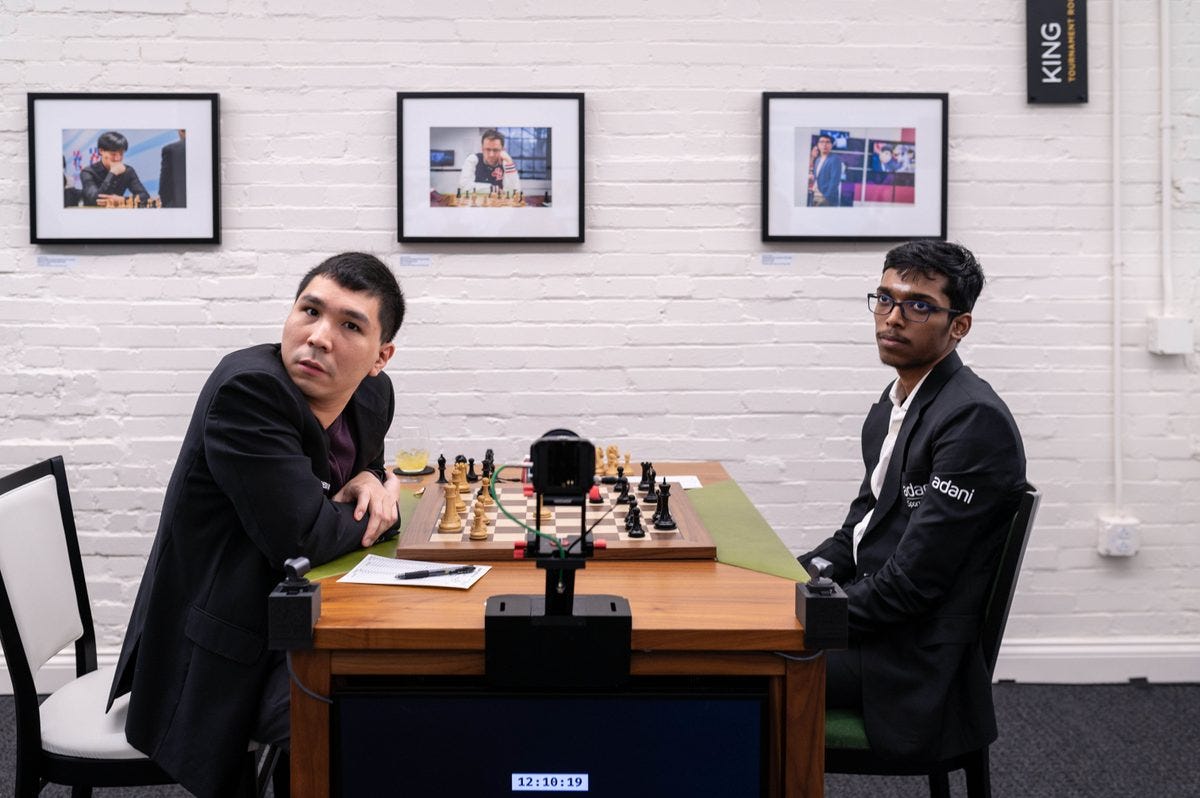
The Sinquefield Cup 2026 is past the halfway mark now; after 5 rounds of play, Wesley So is in the sole lead with 3.5/5 points. Fabiano Caruana, Vincent Keymer, R Praggnanandhaa and Maxime Vachier-Lagrave are in joint second place with 3/5 points. In the 5th round, Vincent Keymer defeated Anish Giri and Fabiano Caruana won against Levon Aronian; all other games ended in a draw. 15th August is a rest day for players, and the 6th round will start on 16th August at 12 PM Local Time / 10:30 PM IST. Photo: Crystal Fuller
Cairns Cup 2026 R5: A Peaceful Day at the Office, All Games End in a Draw
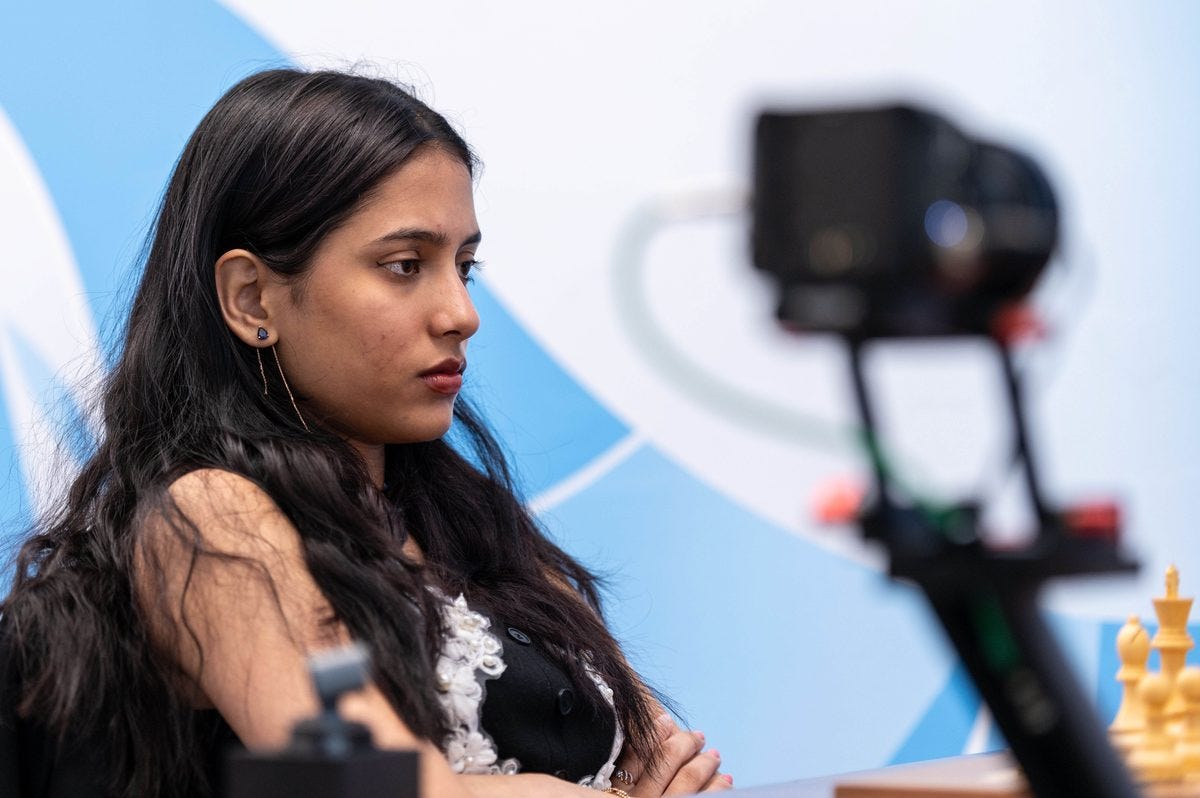
In the 5th round of the Cairns Cup, all the games ended in a solid draw. The only game that could be decisive was Alice Lee against tournament leader Tan Zhongyi. Alice had a clear winning position, but she failed to convert it, and the game ended in a draw. Divya made a quick draw against Bibisara Assaubayeva. The Indian clash of Koneru Humpy and Vaishali Rameshbabu also ended in a draw. 15th August is a rest day for players, and the 6th round will start on 16th August at 12 PM Local Time / 10:30 PM IST. Photos: Lennart Ootes
How did 14-year-old Deekshitha Modipalli reach 2400+ from 1985 in just one month
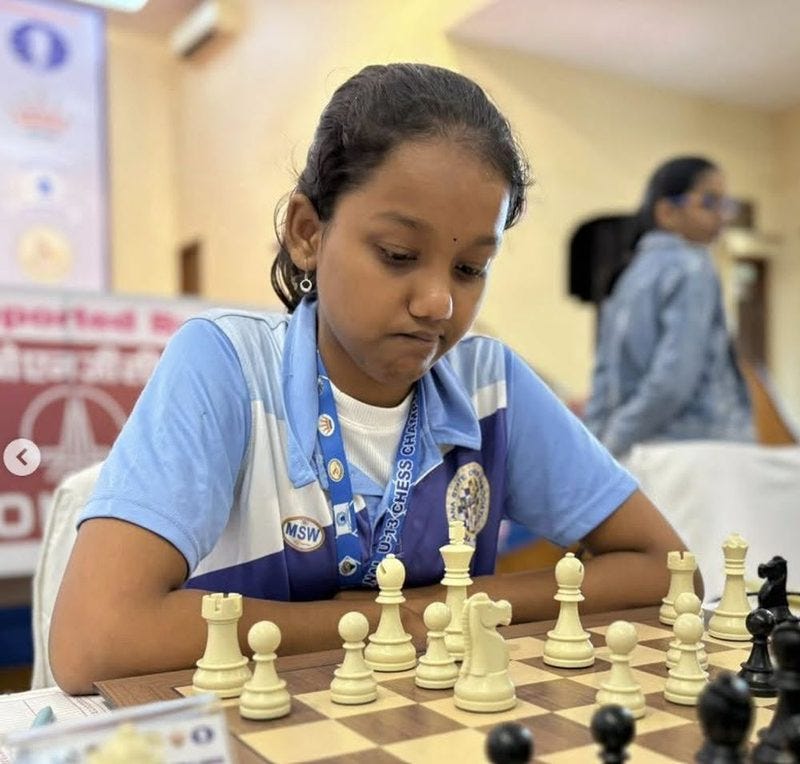
Every once in a while, a young player comes along whose rise is hard to ignore. The most recent one is 14-year-old Deekshitha Modipalli, who, in just two months, gained nearly 450 Elo points, crossed the 2400 mark, and picked up an IM norm along the way. This talented girl has been travelling independently to chess tournaments since she was just 10 years old. Let’s take a look at her incredible run!
Team Line-ups Confirmed for 46th FIDE Chess Olympiad in Samarkand
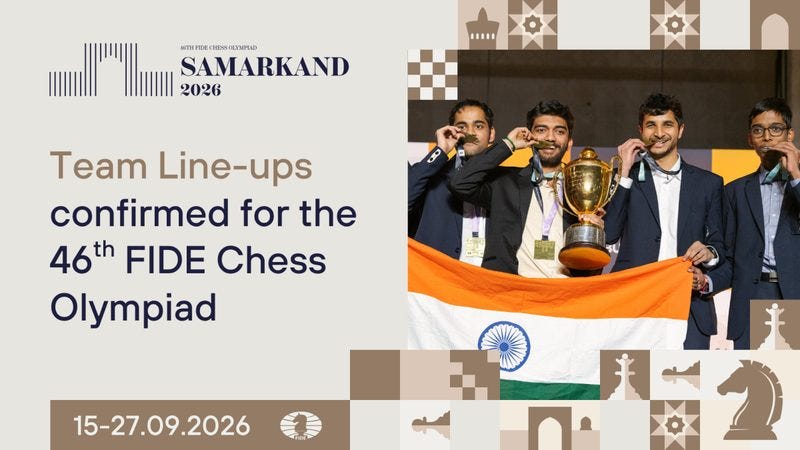
The International Chess Federation has officially published the team line-ups for the 46th FIDE Chess Olympiad, to be held in Samarkand, Uzbekistan, from September 15 to 27, 2026. Featuring 11 classical rounds following the opening ceremony on September 15, this edition will be the largest in chess history. A record-breaking 400 teams have been confirmed across two competitions: 208 in the Open section and 192 in the Women’s event, surpassing the previous record of 380 teams set at Budapest 2024. Photo: FIDE
If you enjoy our work, please review us on Google.
Hello, and I wish you all the best moments in life. 🌹
To all of you who are looking toward the future with hope: sometimes, what we need most is to be together and support one another.
I also need your support to be seen and to continue this journey. If you enjoy my content, please subscribe and stay with me.
Thank you for your kindness and support. ❤️
Great article! I also went back to the time I Learned chess and if I could correct one thing about the way I Learned chess it would be - learn the rules of chess and then solve a lot of mate in 1s. Good to know.